Excellent trattoria! Delicious amazing tuscan food made with love and care. We ate there a couple of times. 5 star service and the lovely friendly italian people we are used to! Grazie grazie grazie!
Overview
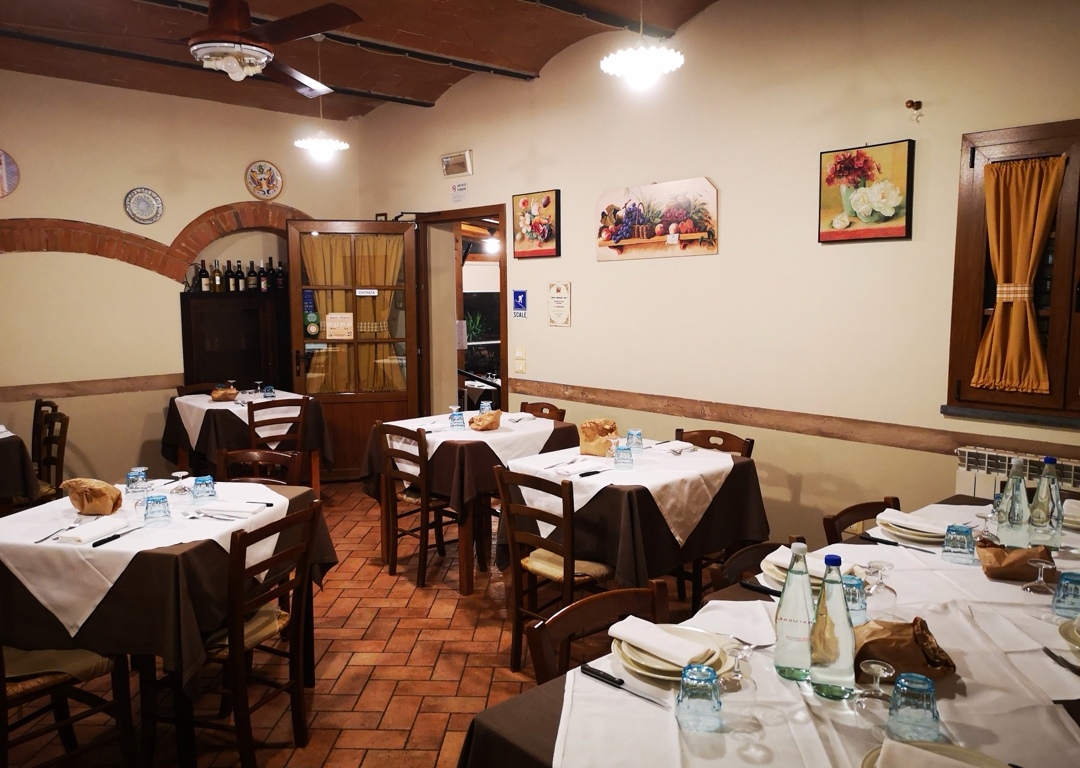
The location alone sets the mood. Brusciana is peaceful, far from the tourist-packed centers of Florence, yet close enough to make it an easy detour. The restaurant’s rustic exterior blends perfectly with the landscape, and once inside, you’re greeted by warm lighting, wooden beams, and that unmistakable aroma of slow-cooked ragù. It’s the kind of place where the menu reads like a love letter to Tuscany.
Speaking of the menu, it focuses on regional classics done properly. I ordered pappardelle al cinghiale, a traditional wild boar pasta that’s considered a staple in Tuscan cuisine. The meat was tender, simmered for hours in red wine, tomatoes, and herbs. According to the Accademia Italiana della Cucina, slow braising is essential to developing the deep, layered flavors typical of central Italian sauces, and you could taste that patience in every bite. The pasta itself was clearly handmade, with that slightly rough texture that helps the sauce cling beautifully.
Another standout was the bistecca alla Fiorentina. This iconic T-bone steak, traditionally sourced from the Chianina cattle breed, is cooked rare and simply seasoned with salt and olive oil. The World Health Organization has highlighted the Mediterranean diet as one of the healthiest eating patterns globally, emphasizing high-quality ingredients and balanced portions. Here, you see that philosophy in action: fresh vegetables drizzled with extra virgin olive oil, grilled meats cooked over wood embers, and bread served without butter because the flavors don’t need masking.
I’ve dined in several Tuscan trattorias over the years, but what impressed me most was the consistency in technique. The chef explained that many of their recipes come from family traditions passed down for generations. For example, their ribollita, a hearty vegetable and bread soup, is prepared in stages over two days. First, the vegetables are simmered slowly; then, the soup is reheated with stale bread to achieve its signature thickness. This method mirrors what culinary historians describe as authentic rural Tuscan cooking-resourceful, seasonal, and deeply rooted in agricultural life.
Reviews from both locals and travelers often mention the wine selection, and for good reason. The restaurant offers a thoughtful list of regional wines, including Chianti and Vernaccia di San Gimignano. I paired my meal with a Chianti Classico, and the acidity cut perfectly through the richness of the wild boar sauce. Italian wine regulations, governed by the Denominazione di Origine Controllata (DOC) system, ensure strict quality standards, so when you see these labels on the wine list, you can order with confidence.
Service here is relaxed yet attentive. The staff take time to explain dishes and recommend pairings, which makes the experience feel personal rather than transactional. On my visit, I noticed several tables of regulars greeting the team by name. That says a lot. In hospitality research published by Cornell University’s School of Hotel Administration, repeat local customers are considered one of the strongest indicators of restaurant quality and trust. You can see that dynamic clearly in this dining room.
Of course, like many traditional restaurants in rural Italy, opening hours can vary slightly depending on the season, and it’s always wise to call ahead. While the atmosphere is informal, reservations are recommended on weekends, especially during harvest season when food lovers explore the Tuscan countryside.
From handmade pasta to expertly grilled steak, from carefully selected wines to genuine hospitality, everything here feels intentional. The flavors are bold yet balanced, the ingredients fresh and traceable, and the setting unmistakably Tuscan. If you’re exploring the area around Brusciana and want an authentic dining experience rooted in tradition, this address deserves a spot on your list of must-visit restaurant locations.
Good to know
From the business
✓ Identifies as women-ownedService options
✓ Outdoor seating ✓ Dine-in ✓ DeliveryHighlights
✓ Great coffee ✓ Great dessert ✓ Rooftop seatingPopular for
✓ Lunch ✓ Dinner ✓ Solo diningAccessibility
✓ Wheelchair-accessible car park ✓ Wheelchair-accessible entrance ✓ Wheelchair-accessible seating ✓ Wheelchair-accessible toiletOfferings
✓ Alcohol ✓ Beer ✓ Coffee ✓ Healthy options ✓ Organic dishes ✓ Prepared foods ✓ Private dining room ✓ Small plates ✓ Vegan options ✓ Vegetarian options ✓ WineDining options
✓ Lunch ✓ Dinner ✓ Dessert ✓ Seating ✓ Table serviceAmenities
✓ ToiletAtmosphere
✓ Casual ✓ Cosy ✓ QuietCrowd
✓ Groups ✓ TouristsPlanning
✓ Lunch reservations recommended ✓ Reservations required ✓ Dinner reservations recommended ✓ Accepts reservationsPayments
✓ Credit cards ✓ Debit cards ✓ NFC mobile payments ✓ Credit cardsChildren
✓ Good for kids ✓ Good for kids birthday ✓ Has changing table(s) ✓ High chairs ✓ Kids' menuParking
✓ Free of charge street parking ✓ Free parking lot ✓ ParkingPets
✓ Dogs allowed ✓ Dogs allowed inside ✓ Dogs allowed outsidePhotos
1 / 4
Location
Reviews
- No ratings yet 1670 reviews
Having had a few bad experiences in Tuscany on our last trip here (pricy uninspired food) this was a heaven send. We were lucky (we feel) to get a a table at this agriturismo place. The first hand impression with lots of livestock is inspiring. The owners/waitresses are very friendly, and despite our lack of Italian, they made us feel very welcome and really tried their best to communicate. Now, the food….oh my god. The starter with various cold cuts were good (the liver on bread was divine) so far so good. We ordered a liter! of wine for very little money. Very basic house wine, but for 6 euros for a liter… Next came the primi; pasta. My wife had the pici with courgette, stepdaughter filled ravioli with tomato sauce and I had tagliatelle with duck. All of them were amazingly tasty. I recommend the duck! Secondi was mixed pork grill and tagliata. The tagliata was so good, you could really taste the smokey flavor from the grill. So simple, yet so delicious. The pork sausages were so flavorful as well. The ribs were ok, but the pork chop was also incredible. Simple and well seasoned. This is really the essence of Tuscan and Italian cooking; good basic food, made from fresh and homemade ingredients! Don’t miss out on this place!
Excellent food at a modest price. Beautiful location where you can see all the animals as well as the vegetables that they grow. No English menu that I'm aware of but that's because it is authentic. The staff were very friendly.
From a "Brits abroad" perspective (I'm being tongue-in-cheek) this restaurant was a great success with my father who loved the copious amounts of cheap but palatable wine served in carafes, a great success with the various family members under 12 who loved the pasta and the special Tuscan hors d'oeuvres, and a medium success with me; I loved the general outdoor dining atmosphere. Wine is decent, and the food was good considering how extremely cheap the meal was. Don't expect high end food, it's hearty and filling. Fried stuff, pasta, no pizzas. Very suitable for a large family. We first went with just three adults and a kid - a bottle of sparkling wine and litre carafe of red, starters, mains, desserts, and vin santo with cantuccini for 85 EUR all in. Kids run around late at night, the play area kind of overlooking the field nearby is pretty lame unless your kid is under 5, but the atmosphere is wonderful.
Just perfect! Very tasty and good looking meals. Try antipasti! Really good start of the evening;-)
A nice restaurant with good food for a reasonable price. I definitely recommend this place.